
- August 5, 2026
- 36
Changes in Polish Schools: Seven Hours of Lithuanian Per Week
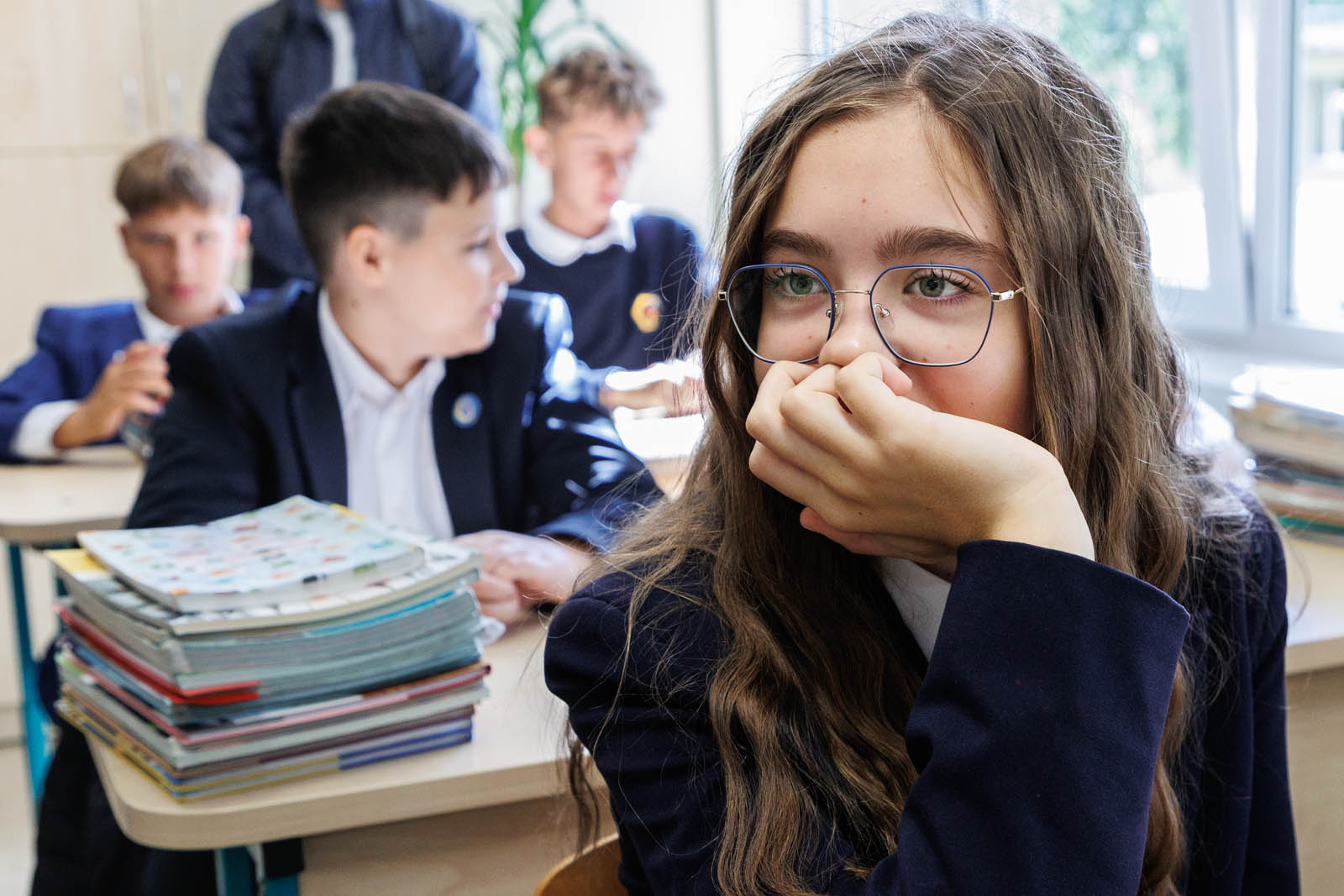
On July 29, the government decided to increase funding for Lithuanian language and literature lessons for students in grades 1–4 in national minority schools, including Polish schools.
The number of these lessons will increase from five to seven per week. An additional 700,000 euros will be needed for the extra Lithuanian language and literature lessons. The changes will come into effect on September 1 of this year.
Under the previously applicable regulations, students at national minority schools had fewer Lithuanian language lessons than lessons in their native language. In grades 1–4, there were five Lithuanian language lessons per week, compared to seven lessons in the native language.
The additional two lessons per week will be funded for students in grades 1–4 studying in a national minority language. The aim of this change is to ensure that at least as much time is devoted to learning Lithuanian language and literature as to learning the native language.
The key issue is a change in methodology, not the number of lessons
According to Renata Cytacka, chairwoman of the Forum of Parents of Polish Schools in the Šalčininkai District and an advisor to the Vilnius District municipal administration, achieving good results will be impossible without changing the methodology of teaching the Lithuanian state language in national minority schools.
“The Ministry of Education, Science and Sport should above all focus on the methodology for teaching Lithuanian language and literature in national minority schools. Lithuania already has an approved curriculum for teaching the state language to foreigners. I can see that thanks to this methodology, people who have arrived from various countries, for example Syria, are able to master Lithuanian from scratch within just two years. So why can’t similar methods be adapted to the needs of our children, taking into account their age and stage of emotional and psychological development? Like foreigners, in some cases they also don’t know Lithuanian. A different methodology should be used in kindergarten, another in primary school, and yet another in secondary school classes. This is precisely what matters most to us as parents,” Renata Cytacka noted in an interview with Kurier Wileński
According to her, a good example of an effective teaching method can be seen in the results of learning foreign languages such as English or German. Students at national minority schools often master them quickly if the teaching method is adapted to their age and abilities.
“If the methodology is properly adapted to the age and abilities of students, young people from Polish schools have no major problems mastering another language. Therefore, the issue is not increasing the number of hours devoted to learning Lithuanian, but changing the way it is taught,” the interviewee emphasizes.
700,000 euros for additional Lithuanian lessons
The decision to increase funding for Lithuanian language and literature lessons for students in grades 1–4 in national minority schools was made in connection with the implementation of a ruling by the Lithuanian Supreme Administrative Court (LVAT), announced in January. The court found that having fewer hours of Lithuanian language and literature lessons compared to hours of native-language lessons violates the Law on Education and the constitutional principle of the rule of law.
To increase funding, the coefficient used to calculate teaching funds for primary school students studying in a national minority language will be changed. It will be increased by approximately 6%, from 1.24 to 1.31.
According to calculations by the Ministry of Education, Science and Sport, from September to December of this year, 700,000 euros will be needed for the additional Lithuanian language and literature lessons. These funds will be allocated for 9,600 students in the early grades across 93 schools.
Translated by Zuzanna Biśta within the framework of a traineeship programme of the European Foundation of Human Rights, www.efhr.eu.